
The Metaphysics of Painting: How Layers Create Reality on Canvas
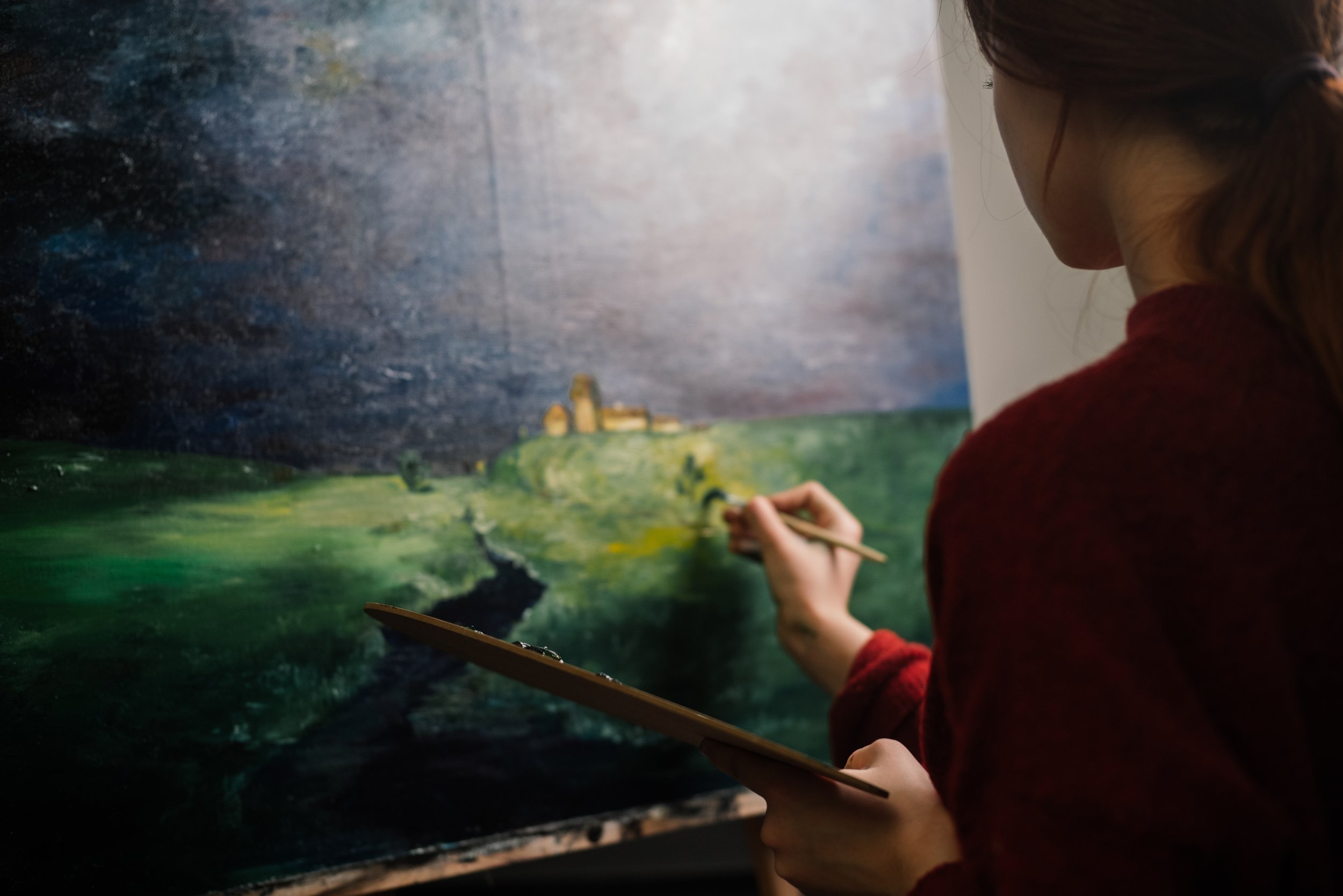
Introduction: Art is rarely just what sits on the surface. When you look at an original canvas, you are witnessing a timeline of decisions, corrections, and evolutions. In abstract and representational painting alike, depth is achieved not by a single stroke, but by the accumulation of layers that whisper stories of what came before.
The Philosophy of Depth: Every glaze, scraped-back texture, and overlapping color field mimics how we experience memory and reality. We do not see the world as a flat image; we perceive it through layers of emotion, history, and light. By building the paint surface with intention, the canvas begins to breathe, pulling the viewer into an immersive visual dialogue.
Why Originality Matters: In a digital age saturated with flat pixels, textured layers offer tactile authenticity. For upscale collectors and galleries, seeing the physical topography of the paint provides a direct connection to the artist's hand and mind.
Conclusion: True expressionism lives in the spaces between the layers. When you allow a painting to develop organically over time, the final piece becomes far more than decoration—it becomes a living environment of its own.
